American Flag Thin Blue Line Svg: More Than a Symbol
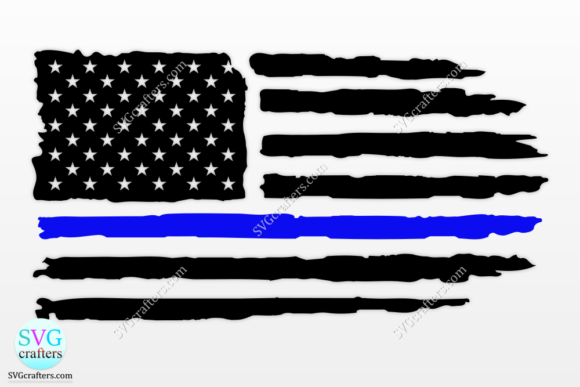
When you first see the American Flag Thin Blue Line Svg, it’s clear this isn’t just another piece of clipart. It’s a carefully constructed piece of digital art designed to carry significant weight and meaning. The design merges two powerful symbols: the iconic stars and stripes of the United States flag and the single blue line representing law enforcement. Visually, it’s a striking composition. The traditional red and white stripes are often rendered in grayscale or muted tones, allowing the crisp, central blue line to command immediate attention. This isn't a chaotic design; it's a piece of modern typography and symbolism where every element has a purpose. The overall appeal is one of solemn respect, unity, and quiet strength, making it a potent tool for any creator looking to convey a message of support.
Crafting with Purpose: Where This Design Shines
The true value of a high-quality design asset like the American Flag Thin Blue Line Svg lies in its versatility. This is a premium font and graphic set in the sense that it’s built for real-world application. For a small business owner or a crafter on Etsy, this file is a gateway to creating meaningful products. Imagine applying it to a sublimation t-shirt for a local police fundraiser, etching it onto a tumbler as a gift for a retiring officer, or incorporating it into a memorial card. The included SVG and DXF files are optimized for cutting machines like Cricut and Silhouette, making the transition from screen to physical product seamless. The layered structure means you can easily manipulate colors or isolate elements, a crucial feature for anyone serious about their craft.
Beyond personal projects, the American Flag Thin Blue Line Svg has a place in more formal brand identity work. For a security company, a private investigation firm, or a veterans’ support organization, this symbol can become a cornerstone of their logo design. It instantly communicates trust, vigilance, and service. In editorial design, a magazine article about community policing or a blog post on first responder wellness could use this graphic as a powerful header or pull quote element. Its clean lines ensure it reproduces well at various sizes, whether as a small icon on a website or a large graphic on a banner. The key is using it in contexts where its message is relevant and respected, ensuring the design enhances rather than distracts from the core message.
Making it Work: Practical Design Considerations
Integrating a symbolic piece like the American Flag Thin Blue Line Svg into a project requires a thoughtful approach. First, consider the overall tone. This design carries a specific emotional resonance. It works best in projects that aim for a serious, respectful, or patriotic feel. Pairing it with a clean, strong sans serif font like Helvetica or Montserrat for supporting text can maintain that sense of clarity and modernity. A sturdy serif font like Times New Roman or Georgia could lend a more traditional, institutional weight. Avoid overly playful or whimsical script fonts or handwritten fonts for primary messaging, as they can clash with the design's solemnity, though they might work for a secondary, more personal note like a signature.
Readability and hierarchy are paramount. If you're using the SVG as a central graphic, ensure the surrounding text has ample white space. Don’t crowd it. In web design or social media graphics, this symbol should be the focal point, not buried among other visual elements. For packaging design, think about placement—perhaps centered on a box lid or as a subtle, repeating pattern on a background. The high-resolution PNG file (at 350 dpi, better than the standard 300 dpi) is perfect for print projects where detail is critical, like fine-line prints on merchandise. Always test your design at the intended output size. What looks clear on a computer screen might lose detail when printed very small, so checking the integrity of the blue line and the stars is a necessary step.
Choosing and Using Your Digital Files Wisely
When you download a set like this, you’re not just getting a picture; you’re getting a toolkit. The American Flag Thin Blue Line Svg package from SVGcrafters is a good example of a well-organized commercial font and graphic bundle. Understanding each file format is key to using them effectively. The SVG is your workhorse for cutting and scalable web graphics. The DXF is a lifesaver for Silhouette users on the free software version. The EPS file opens up possibilities in more advanced vector editing software like Adobe Illustrator, which is useful if you need to make significant custom alterations for a client's brand identity project. The JPG on a white background is ready for quick mockups or presentations, while the transparent PNG is essential for layering the design over other elements in photo editing software.
Before committing to a design, always evaluate the fit. Does this symbol align with your client's values? Is the audience for your project likely to understand and appreciate the reference? For personal use, like making a gift for a family member in law enforcement, the connection is clear. For commercial use, especially in marketing or publishing, context is everything. Use it where it adds genuine value and communicates a specific, intentional message. The beauty of having multiple file formats is the flexibility it offers. You can start with a vector format for precision, convert to a raster format for certain effects, and always have the right file type for your specific software and end goal. This kind of thoughtful application turns a good design asset into a great one, creating work that is both visually compelling and meaningful.