Mastering the Old Paper Texture: A Designer's Guide
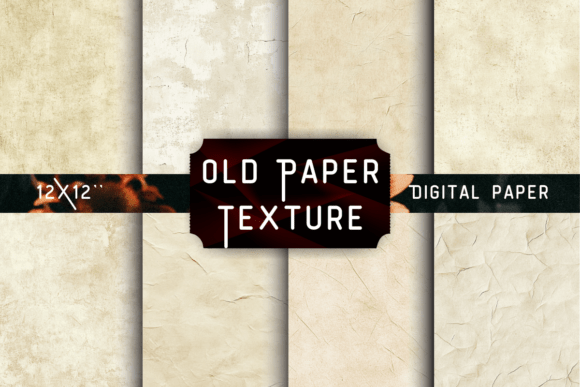
There’s a reason we’re drawn to things that look like they have a story. A worn leather-bound book, a faded photograph, a letter with slightly torn edges. In our hyper-digital world, these tactile artifacts offer a sense of history, authenticity, and human touch that modern, sterile graphics often lack. This is precisely the emotional resonance a high-quality Old Paper Texture brings to your creative work. It’s not just a background; it’s a narrative device. This particular Old Paper Texture Digital Paper Pack is engineered for creators who understand that the right foundation can transform a design from merely competent to genuinely compelling.
The Anatomy of a Convincing Aged Surface
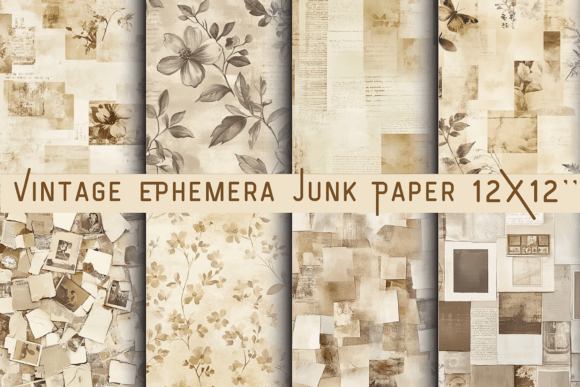
What separates a truly effective old paper texture from a simple beige filter? It’s the layering of subtle, believable details. This pack is designed with those specifics in mind. The base isn't a flat color but a complex interplay of warm sepia, beige, and distressed neutral tones. You’ll find the natural, uneven discoloration of time—soft gradients that mimic where light would have faded the paper over decades or where moisture might have caused slight foxing.
Then come the character marks. The grunge stains aren't random splotches; they’re carefully placed ink bleeds, tea rings, and mysterious smudges that suggest use and handling. The torn edges are irregular and soft, avoiding the tell-tale uniformity of a digital cut-out. These are the details that, when viewed at the pack’s full 3600 x 3600 pixel resolution and 300 DPI, reveal a world of micro-textures: the slight tooth of the paper’s fiber, the faint ghost of a previous impression, the subtle warping along a crease. This level of detail is what makes the texture feel premium and, more importantly, authentic. It’s the difference between a stage set and a lived-in room.
Strategic Applications: Beyond Scrapbooking
While the name might evoke scrapbooks and junk journals—and it is superb for those—the utility of a robust old paper texture extends far into professional design and branding. Think of it as a versatile design asset that can anchor a wide range of projects with a specific mood: vintage, historical, artisanal, or intellectual.
- Brand Identity & Packaging: For a craft brewery, an artisan coffee roaster, or a heritage clothing brand, this texture can form the literal foundation of the brand identity. Use it as the background for your logo on a menu, a business card, or packaging sleeve. It instantly communicates craftsmanship, tradition, and a hands-on ethos without a single word of copy.
- Editorial & Publishing: In editorial design, such as for a magazine feature on history, a book cover for historical fiction, or the interior of a poetry collection, these backgrounds set the tone immediately. They provide a visually rich canvas that makes overlaid typography—whether a classic serif font for body text or an elegant script for headlines—pop with clarity and intention.
- Digital Presence & Marketing: In web design, a subtle, tiled version of this texture can add depth to a website’s background without overwhelming content. For social media graphics, especially for brands in the education, history, or lifestyle sectors, using an old paper texture as a base for quotes, announcements, or testimonials makes the content feel more substantial and shareable. It breaks the monotony of flat, modern feeds with a touch of analog warmth.
- Specialized Crafts & Hobbies: This is where the pack truly shines for personal and commercial creators. It’s the perfect foundation for digital scrapbooking, creating printable vintage invitations for weddings or events, designing props for tabletop RPGs, or as practice sheets for calligraphers who want to write on something that feels historically accurate.
Integrating Texture with Typography
A background is only as good as the content it supports. The true power of an old paper texture is unlocked when you pair it thoughtfully with typography. The distressed, organic nature of the paper creates a beautiful tension with clean, structured typefaces. Imagine a bold, modern sans-serif font laid over a torn sepia edge—the contrast is dynamic and draws the eye. Conversely, a flowing script font or an elegant serif font can harmonize with the texture, creating a seamless, period-appropriate aesthetic.
The key is ensuring readability. The opaque, non-transparent nature of these backgrounds ensures your text has a solid field to rest upon. However, when placing smaller body text, consider using a semi-opaque overlay or ensuring your text color has sufficient contrast against the texture’s mid-tones. Always test your font pairings at the actual size they’ll be viewed. A display font that looks magnificent at 72pt on your screen might become illegible when used at 12pt in a printed booklet if the underlying texture is too busy. Use the texture’s personality to guide your type choices: a grunge-heavy stain might call for a sturdier typeface, while a clean, aged sheet can support more delicate lettering.
A Practical Checklist for Choosing Your Texture
Not all texture packs are created equal. Before committing to a set for a professional project, run it through this quick evaluation:
- Resolution & Format: Can it scale without pixelating? A 12x12 inch dimension at 300 DPI is the professional standard for high-quality print work, ensuring your designs look sharp on everything from a postcard to a large poster. The PNG format preserves all the nuanced details and transparency where needed.
- Color & Mood Consistency: Does the color palette serve your project? This pack’s warm sepia and beige tones are ideal for a unified vintage theme. If your brand uses cooler tones, you may need to adjust the texture’s color balance, which is easier with a high-quality source file.
- Variety & Usability: A good pack offers variety within a cohesive theme. Twelve designs allow you to match different textures to different projects or different sections within a single project (e.g., a cleaner texture for the main page, a more distressed one for a border) without losing the overall aesthetic.
- File Size & Clarity: Larger file sizes (like the 8-18 MB here) often correlate with less compression and more detail, which is crucial for professional output. You can always optimize a file down for web use, but you can’t add detail that was never there.
- Licensing Clarity: For any commercial project—whether you’re creating client work, selling prints, or designing products—confirm the license allows for commercial use. This is a non-negotiable aspect of using any design asset professionally.
Ultimately, integrating an Old Paper Texture is about adding a layer of perceived history and authenticity to your digital creations. It’s a bridge between the convenience of modern tools and the timeless appeal of analog artifacts. By selecting a pack built with attention to realistic detail and understanding how to strategically deploy it across your projects, you equip yourself with a powerful tool for storytelling, branding, and connection. It’s a quiet detail that speaks volumes, inviting your audience to look closer and feel a deeper connection to your work.