Preschool Learning Activity Book: A Joyful Design for Young Learners
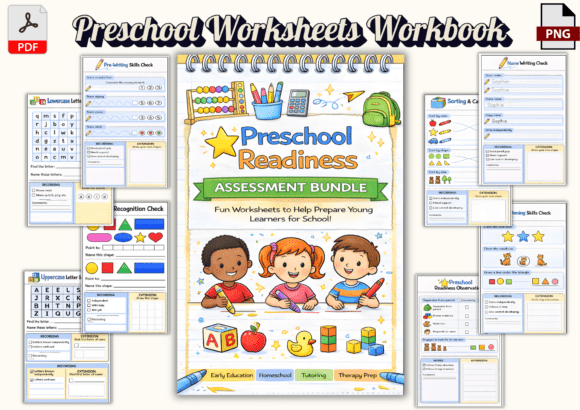
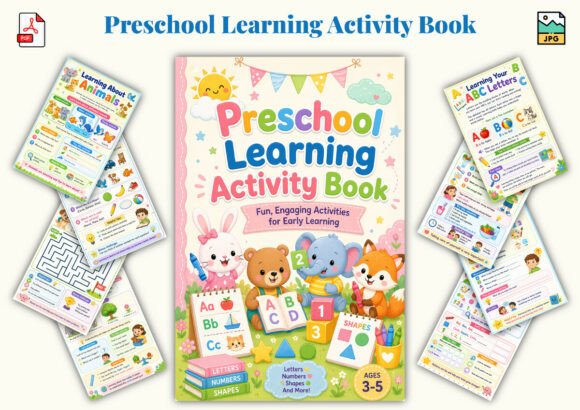
Finding the right educational materials for young children can feel overwhelming. The Preschool Learning Activity Book stands out not just for its content, but for its thoughtful visual design. It uses a soft pastel color palette and adorable animal illustrations to create a warm, inviting atmosphere that feels more like play than work. This design approach is crucial because it reduces anxiety and builds positive associations with learning from the very first page. For parents, educators, and creators, understanding the visual strategy behind such a resource is key to replicating its success.
Visual Identity and Practical Appeal
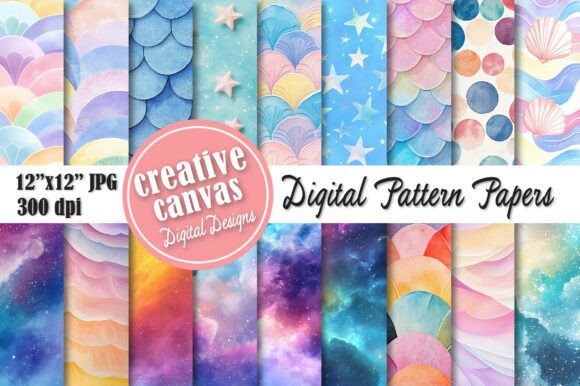
The book’s personality is friendly, encouraging, and gentle. The use of rounded shapes in the illustrations and the clean, readable layout of the activities contribute to a sense of safety and approachability. This isn't a sterile, overly academic workbook; it's a creative companion. The consistent pastel theme across its 31 pages helps with visual cohesion, making the entire experience feel unified and professional. This kind of design consistency is a powerful tool in brand identity for any product aimed at children and their caregivers. It signals care, quality, and attention to detail.
From a practical standpoint, the 6 × 9 inch size is a smart choice. It’s large enough for small hands to manage comfortably and provides ample space for tracing letters and drawing, yet compact enough to be portable. The inclusion of both high-quality JPG and print-ready PDF files is a significant benefit for content creators and small business owners. This allows for flexible use—digital distribution through a platform or high-fidelity printing for physical copies. The activity mix, from letter tracing to simple puzzles, is carefully sequenced to build skills progressively, which is a hallmark of effective editorial design in educational publishing.
Applying Its Design Principles in Your Projects
While this is a specific activity book, the design principles it employs are universally valuable. Consider its application in broader creative projects. The soft, friendly aesthetic could inspire a logo design for a childcare center, a family-oriented blog, or a brand of children’s clothing. The color palette and illustrative style could inform packaging design for educational toys or healthy snacks for kids. Even in digital design and social media graphics, this approach fosters engagement by being approachable and visually pleasing, which is essential for building trust with a parent audience.
For designers and marketers, this book is a case study in audience engagement. The visual hierarchy is clear: each page guides the child's eye from the instruction to the activity space without distraction. The balance of text and image is carefully considered to avoid overwhelming young learners. This thoughtful typography—using clean, simple fonts—ensures readability is never compromised for style. When developing your own materials, whether a web design for an educational app or print design for classroom resources, prioritizing this clarity and child-centric perspective is what transforms a good project into a great one.
Choosing and Evaluating Educational Resources
When selecting or creating resources like the Preschool Learning Activity Book, practical evaluation is key. First, assess the real-world value. Does the activity structure match the developmental stage of the intended age group? Are the motor skill exercises, like tracing and drawing, appropriately scaled? Second, examine the visual design for cohesion. A consistent theme, as seen here, aids in focus and reduces cognitive load. Third, consider the file formats and licensing. For commercial use, especially for entrepreneurs and publishers looking to resell or incorporate elements, understanding the rights is non-negotiable.
Finally, think about integration and font pairing if you are building a larger system. The clean sans-serif style often used in such workbooks pairs well with a friendly handwritten font for headers or a simple serif font for parent instructions, creating a dynamic yet harmonious visual hierarchy. The goal is to create a seamless experience that supports the child’s journey from curiosity to confidence. By focusing on these tangible aspects—design clarity, practical utility, and respectful licensing—you can make informed choices that genuinely support early learning and creative development.