Daisy Flower Watercolor Clipart: 19 Designs for DIY Projects
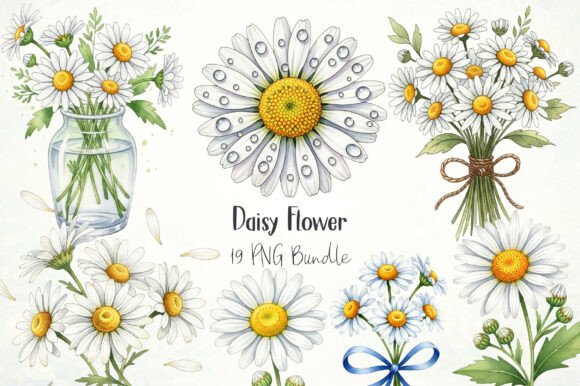
Finding the right design assets can transform a simple idea into something that feels polished and intentional. The Daisy Flower Watercolor Clipart collection offers a specific aesthetic that works across a surprising range of projects. With 19 distinct designs, each rendered with a soft watercolor effect and available in both solid color and distressed versions, this set provides flexibility for creators who need floral elements that feel handcrafted rather than generic.
Understanding the Visual Style and Its Applications
The daisy designs in this collection carry a particular personality. The watercolor technique gives each flower a sense of organic movement—soft edges, subtle color variations, and a natural transparency that feels authentic. The distressed effect option adds texture and a slightly weathered appearance, which can be useful for projects aiming for a vintage or rustic tone. Both styles maintain clarity at the 300 DPI resolution, which means they hold up well in print and digital formats.
These clipart pieces are not just decorative. They function as design elements that can support a brand's visual language. For a small business selling handmade soaps, a daisy motif on packaging can reinforce a natural, artisanal identity. For a blogger focusing on gardening or home decor, these designs can become recurring visual anchors in social media graphics or website headers. The consistency of having multiple variations within the same stylistic family helps maintain visual coherence across different applications.
Practical Uses Across Different Creative Fields
Consider how these daisy designs might fit into specific projects. For apparel, the transparent PNG background makes them easy to layer onto fabric colors without awkward white borders. A t-shirt design featuring a distressed daisy could appeal to an audience that prefers subtle, textured graphics over bold, flat prints. For sublimation projects—like mugs, tote bags, or pillows—the high resolution ensures the watercolor details remain crisp even when scaled.
Graphic designers working on branding projects might use these florals as accent elements in logo design or editorial layouts. A single daisy could serve as a small icon in a header, while a cluster might frame a call-to-action on a poster. The key is restraint. Overusing watercolor elements can make a design feel busy, but strategic placement can add warmth and approachability to otherwise minimal compositions.
For digital creators, these clipart files work well in social media graphics, Pinterest pins, or blog post illustrations. The 12-inch square format is particularly useful for platforms that favor vertical or square imagery. Resizing is straightforward without quality loss, so adapting the designs for Instagram stories or email banners is simple. The distressed style might pair well with modern sans serif typography for a balanced contrast between organic texture and clean type.
Integrating These Designs Into Your Workflow
Before incorporating any new design asset, it helps to evaluate fit. Ask whether the style aligns with your project's tone. Watercolor florals tend to evoke softness, femininity, or natural themes—so they might not suit a tech startup's branding but could work beautifully for a wedding invitation suite or a wellness brand's packaging.
Font pairing is another consideration if you're combining these clipart designs with typography. A delicate script font might complement the floral softness, while a bold sans serif could create an appealing contrast. Test combinations in your actual project context rather than in isolation. Place the daisy design next to your chosen typeface and assess the visual hierarchy. Does the flower support the message or compete with it?
Commercial licensing is important if you plan to sell products featuring these designs. The collection is intended for both personal and commercial use, but always review the specific terms provided with your purchase. Understanding what's permitted—whether you're creating physical goods for sale or digital products—helps avoid complications later.
Making the Most of Your Investment
The value of a design asset often comes down to versatility. Having both solid and distressed versions of each daisy design effectively doubles your options. The solid style works well for clean, contemporary projects, while the distressed version adds character and depth. Experiment with layering these elements—perhaps using a solid daisy as a focal point and distressed ones as background texture.
Keep in mind that colors may appear differently on screen versus in print. If color accuracy is critical for your project, consider doing a test print before committing to a large run. The high resolution of these files means you can adjust sizing without worrying about pixelation, but printer settings and paper types will still influence the final result.
This collection is a practical addition to a designer's toolkit, not because it's flashy, but because it solves a common need: reliable, attractive floral graphics that work across multiple contexts. Whether you're crafting a product line, designing marketing materials, or simply adding visual interest to personal projects, having quality clipart on hand saves time and elevates the final output. The daisy motif itself is timeless—recognizable without being trendy—which gives it staying power in a fast-moving design landscape.